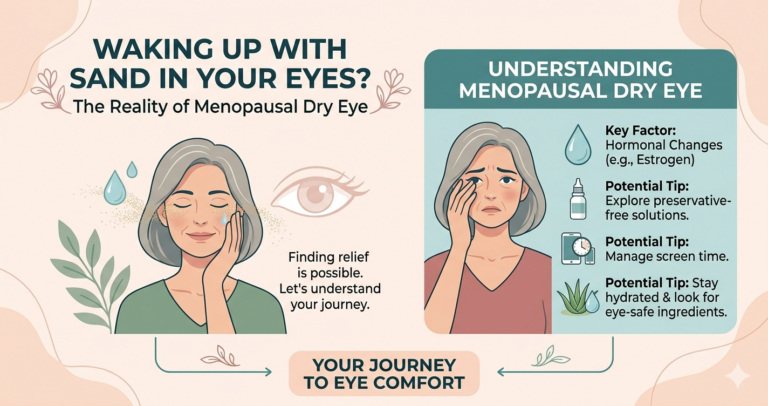

Understanding Chronic Dry Eyes: A Specialized Guide for Aging Women
Introduction – Chronic Dry Eyes
As women enter their 40s, a multitude of changes begins to occur in their bodies, both physically and emotionally. One significant challenge many women face during this transition is the increase in stress levels, often leading to feelings of anxiety, irritability, and fatigue. Chronic Dry Eyes Understanding stress and its effects is crucial for managing these changes effectively. In this article, we will explore the symptoms, hormonal causes, autoimmune connections, natural remedies, and nutritional support to help women over 40 navigate stress more effectively.
Symptoms – Chronic Dry Eyes
Recognizing the symptoms of stress is the first step in addressing them. Women over 40 may experience a variety of stress-related symptoms, including:
- Increased irritability or mood swings
- Persistent fatigue or exhaustion
- Trouble sleeping or insomnia
- Changes in appetite, either increased or decreased
- Difficulty concentrating or memory issues
- Physical symptoms like headaches or muscle tension
- Feelings of overwhelm or anxiety
These symptoms can deeply affect daily life and can result in greater health issues if left unaddressed. It’s essential to be aware of them and take action when needed.
Hormonal Causes
As women age, particularly during and after perimenopause, hormonal fluctuations can significantly influence stress levels. Key hormones such as estrogen and progesterone play essential roles in regulating mood and emotional well-being. When these hormone levels drop, it can lead to increased vulnerability to stress. Chronic Dry Eyes Women often find themselves feeling more anxious or stressed due to the following hormonal changes:
- Declines in estrogen leading to mood swings
- Reduced progesterone levels affecting sleep patterns
- Increased cortisol production under stress
Chronic Dry Eyes The impact of these hormonal variations is profound and can create a cycle of stress that is hard to break. Understanding this connection is vital for implementing appropriate coping mechanisms.
Autoimmune Connection
Interestingly, the link between stress and autoimmune conditions also becomes more pronounced for women over 40. Autoimmune diseases, such as lupus or rheumatoid arthritis, can be aggravated by stress levels. Chronic Dry Eyes Chronic stress may interfere with the immune system, leading to increased inflammation and exacerbating symptoms of autoimmune disorders.
If you have been diagnosed with an autoimmune condition, it’s crucial to consider how stress management can play a role in your overall health. Maintaining a balanced lifestyle and finding effective ways to alleviate stress can help mitigate these effects.
Natural Remedies
Many women are drawn to natural remedies for stress relief, seeking alternatives to pharmaceuticals. Here are some compassionate approaches to consider:
Meditation and Mindfulness: Practicing mindfulness or meditation can lead to significant reductions in stress levels. Even spending just a few minutes each day focusing on breathing can create a calming effect.
Herbal Supplements: Herbs such as ashwagandha, chamomile, and lavender have been shown to have calming properties. Always consult a healthcare professional before trying new supplements.
Yoga and Gentle Exercise: Engaging in yoga or gentle forms of exercise can help release pent-up stress and improve mood. Consider joining a local class or practicing at home.
Deep Breathing Exercises: Simple deep breathing techniques can help ground you in stressful situations, providing immediate relief from anxiety.
Implementing these natural remedies can foster resilience in stress management and help improve overall well-being.
Nutrition Support – Chronic Dry Eyes
Nutrition plays a pivotal role in managing stress effectively, especially for women over 40. Here are some nutritional strategies to consider:
Balanced Diet: Focus on a diet rich in whole foods such as fruits, vegetables, lean proteins, and healthy fats. These nutrients support brain health and emotional balance.
Hydration: Ensure you are drinking enough water. Dehydration can exacerbate stress and negatively affect mood.
Limit Caffeine and Sugar: While they may offer brief energy, both are known to contribute to spikes and crashes in mood. Moderation is key.
Omega-3 Fatty Acids: Incorporate foods rich in omega-3s, such as fatty fish, flaxseeds, and walnuts, which may help improve mood and reduce stress responses.
By adopting a healthy, balanced diet, women can provide their bodies with the tools needed to manage stress effectively.
FAQ – Chronic Dry Eyes
What are the first signs of stress I should look for?
Look for signs such as changes in mood, increased irritability, sleep disturbances, or feelings of overwhelm. Awareness is the first step in managing stress.
How can I manage stress effectively on a daily basis?
Consider incorporating mindfulness, regular exercise, and nourishing meals into your routine. Check in with yourself daily and make time for self-care.
Is it normal to feel more stressed in my 40s?
Absolutely. Hormonal changes, life transitions, and increased responsibilities can all contribute to heightened stress levels.
Conclusion
Managing stress is an essential journey for women over 40, especially as hormonal shifts and life changes come into play. By recognizing symptoms, understanding hormonal and autoimmune connections, and employing natural remedies and nutritional support, you can take meaningful steps to reclaim your peace of mind. Chronic Dry Eyes Remember, it’s okay to seek help when needed, and every woman’s journey is unique. Embrace the process of wellness with compassion for yourself and allow each day to be an opportunity for growth and healing.
Medical Disclaimer: This article is for informational purposes only and is not a substitute for professional medical advice. Always consult with a healthcare provider for diagnosis and treatment options tailored to your individual needs.