
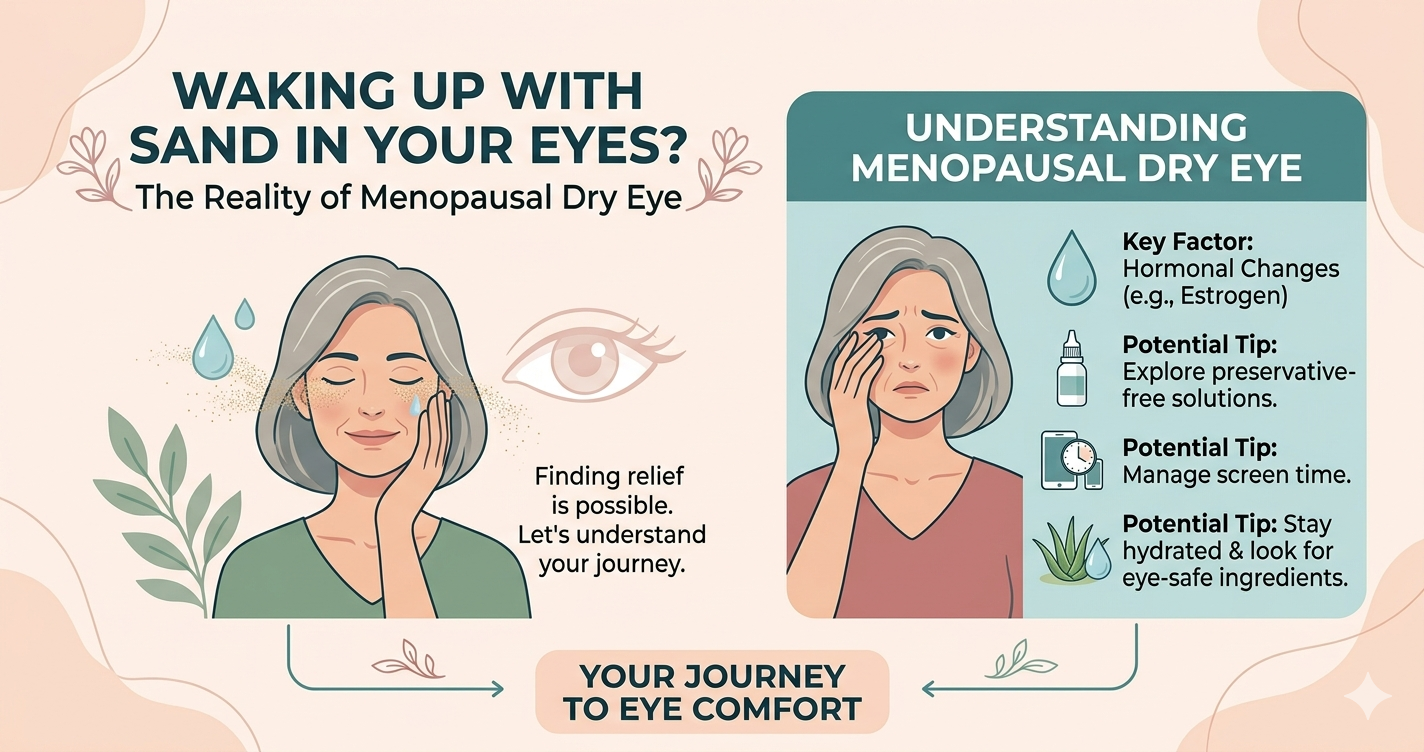
Waking Up with Sand in Your Eyes? The Reality of Menopausal Dry Eye
Introduction
As women over 40, it’s not uncommon to face a range of health challenges, one of the more complex being thyroid disease. The thyroid, a small butterfly-shaped gland located at the base of your neck, plays a crucial role in regulating metabolism, energy levels, and overall hormonal balance. Unfortunately, thyroid diseases often fly under the radar, causing symptoms that can affect every aspect of your life. Understanding these symptoms, their causes, and how to address them can empower you and help you regain control of your health.
Symptoms
Recognizing the symptoms of thyroid disease is the first step toward treatment. Here are some common signs that may indicate thyroid issues:
- Fatigue and weakness
- Unexplained weight changes (gain or loss)
- Hair loss or thinning
- Dry skin and brittle nails
- Cold intolerance or excessive sweating
- Depression or anxiety
- Irregular menstrual cycles
- Memory problems or difficulty concentrating
If you find yourself experiencing several of these symptoms, it’s essential to consult a healthcare provider for evaluation and guidance.
Hormonal Causes
Thyroid disease can often be linked to hormonal changes, particularly during perimenopause and menopause. As estrogen and progesterone levels fluctuate, they can impact thyroid function, leading to conditions such as hypothyroidism or hyperthyroidism. In these stages of life, many women report feeling more fatigued or struggling with weight management due to disrupted thyroid hormone production.
Moreover, autoimmune conditions can further complicate thyroid health. The most common autoimmune thyroid disorder is Hashimoto’s thyroiditis, where the immune system attacks the thyroid gland, leading to decreased hormone production. Being aware of your hormonal changes can significantly inform your approach to managing thyroid health.
Autoimmune Connection
For women over 40, understanding the autoimmune connection to thyroid disease is vital. Autoimmune disorders are conditions in which the immune system mistakenly attacks healthy cells. In the case of Hashimoto’s thyroiditis, this results in inflammation and an underactive thyroid, leading to various symptoms mentioned earlier.
Additionally, women with one autoimmune disease are at a higher risk of developing another. Conditions such as rheumatoid arthritis and lupus may coexist with thyroid issues, creating layers of complexity in diagnosis and treatment. If you have a history of autoimmune disorders, it may be beneficial to discuss regular thyroid screening with your healthcare provider.
Natural Remedies
While medical intervention is sometimes necessary, there are several natural remedies that can support thyroid function and overall well-being:
- Stress management: Practices like yoga, meditation, and deep breathing can help reduce stress, which is essential for hormonal balance.
- Regular exercise: Engaging in physical activity can boost metabolism, improve mood, and enhance energy levels.
- Quality sleep: Prioritize sleep by establishing a bedtime routine and creating a comfortable sleep environment.
- Herbal supplements: Some women find benefits in supplements like ashwagandha or guggul, but it’s crucial to consult with a healthcare provider before starting any new supplements.
Incorporating these practices into your daily routine can help alleviate symptoms and restore a sense of balance.
Nutrition Support
Your diet plays a significant role in managing thyroid health. Here are some nutritional strategies that women over 40 can consider:
- Balanced diet: Focus on whole foods rich in nutrients, including fruits, vegetables, lean proteins, and healthy fats.
- Iodine intake: Ensure you’re getting adequate iodine, as it’s critical for thyroid function. Foods like seaweed, fish, and dairy can be beneficial.
- Selenium sources: Foods like Brazil nuts and sunflower seeds are excellent sources of selenium, which can support thyroid health.
- Avoid processed foods: Reducing processed foods can help decrease inflammation, which is especially important for those with autoimmune connections.
Consulting with a registered dietitian can provide personalized guidance to create a nutrition plan that caters to your needs.
FAQ
How can I find out if I have thyroid disease?
The first step is to schedule an appointment with your healthcare provider. They typically recommend blood tests to check thyroid hormone levels and antibodies, which can indicate various thyroid conditions.
Can thyroid disease be cured?
While some thyroid conditions are manageable with treatment, such as medication for hypothyroidism, others, like Hashimoto’s, are chronic. The goal of treatment is often to manage symptoms and prevent complications.
What lifestyle changes can help with thyroid disease?
Incorporating stress management techniques, maintaining a nutrient-dense diet, and engaging in regular physical activity can significantly improve your overall wellness and thyroid function.
Conclusion
Understanding thyroid disease is a journey, especially for women over 40 who may not have been familiar with such health challenges throughout their lives. By recognizing the symptoms, understanding the hormonal and autoimmune connections, and implementing practical lifestyle changes, you can take decisive steps towards better health. Remember, your health is in your hands, and seeking help and education is the first step towards empowerment.
Always consult with your healthcare provider before making any significant changes to your health regimen.
Disclaimer: The information provided in this article is intended for educational purposes only and is not a substitute for professional medical advice, diagnosis, or treatment. Always seek the advice of your physician or other qualified health provider with any questions you may have regarding a medical condition.