
Why Do My Eyes Burn During Menopause? (And How to Cool the Irritation)
Understanding Dry Eyes After Menopause: Causes and Remedies
For many women, menopause brings about a myriad of changes, some of which can be frustrating and unexpected. One such change that may arise is dry eyes. If you’ve experienced the sensation of gritty, itchy, or irritated eyes after menopause, you’re not alone. This common ailment can impact your daily life, but understanding its causes and discovering effective remedies can help you regain comfort and clarity.
Symptoms of Dry Eyes After Menopause
Recognizing the symptoms of dry eyes is the first step toward addressing them. Here are some common signs you might experience:
- Persistent dryness and discomfort
- Gritty or sandy feeling in the eyes
- Burning or stinging sensations
- Watery eyes that seem to overflow
- Increased sensitivity to light
- Difficulty wearing contact lenses
- Blurred vision that improves with blinking
Experiencing these symptoms may indicate changes happening in your body due to hormonal fluctuations. Recognizing these signs early allows for timely intervention, which can significantly alleviate discomfort.
Hormonal Causes of Dry Eyes
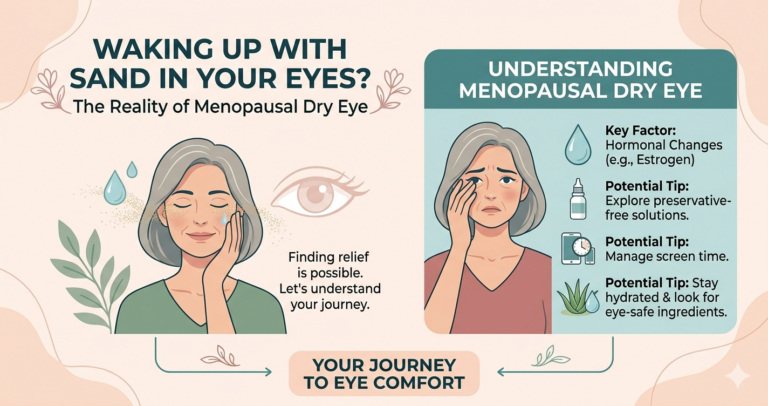
As women transition through menopause, the levels of estrogen in the body decline significantly. Estrogen plays a crucial role in maintaining the health of your mucous membranes, including those in your eyes. When estrogen levels drop, it can disrupt the delicate balance of moisture in your eyes, leading to dryness.
Additionally, the hormonal changes can affect the tear production process. Diminished tear production can leave your eyes feeling parched, and the tears that are produced may lack the necessary oils, making them evaporate more quickly. Understanding this connection can empower you to seek out effective solutions.
Autoimmune Connection
Some women may also experience dry eyes in conjunction with autoimmune conditions, such as Sjögren’s syndrome. This condition can occur during or after menopause and can further decrease tear production. Symptoms can often overlap with those of dry eyes, making a proper diagnosis essential.
If you suspect that you might be dealing with an autoimmune issue, it’s important to consult with your healthcare provider. They can perform tests to determine the underlying causes of your symptoms and guide you towards appropriate treatment options.
Natural Remedies for Dry Eyes After Menopause
While medical treatment may be necessary for some cases, many women find relief through natural remedies. Here are some compassionate, practical suggestions to help soothe your dry eyes:
- Stay Hydrated: Drinking plenty of water can help maintain eye moisture and overall body hydration.
- Warm Compresses: Applying a warm, damp cloth over your eyes can help stimulate tear production and provide soothing relief.
- Limit Screen Time: Taking regular breaks from screens can minimize eye strain and drying. The 20-20-20 rule is a helpful guideline: every 20 minutes, look at something 20 feet away for at least 20 seconds.
- Use a Humidifier: Dry air can exacerbate dry eyes. Using a humidifier, especially in winter months, can help keep the air moist.
- Omega-3 Fatty Acids: Incorporating omega-3-rich foods, such as flaxseed, walnuts, and salmon, can support tear production.
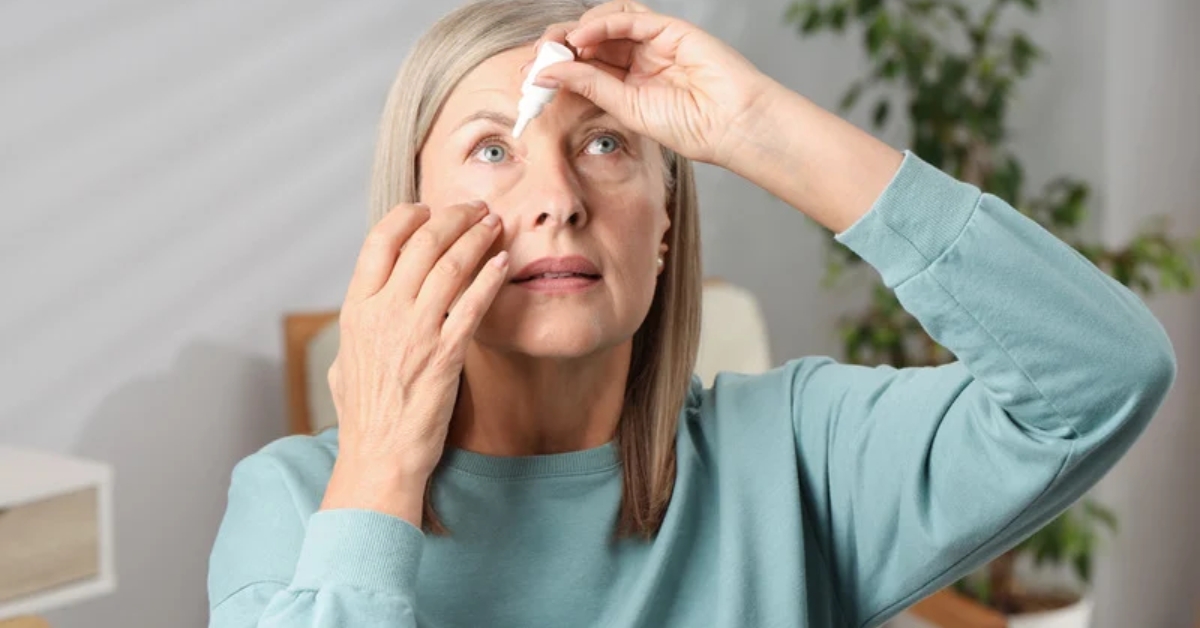
- Eye Drops: Over-the-counter artificial tears can provide temporary relief. Look for preservative-free options to reduce irritation.
Each of these natural remedies offers an opportunity to enhance your comfort without the need for prescription medications. Experiment to find which solutions work best for you.
Nutrition Support for Eye Health
Good nutrition plays an essential role in overall well-being, including eye health. A balanced diet rich in vitamins and minerals can help nourish your eyes and support tear production. Here are some dietary recommendations to consider:
- Vitamin A: Found in carrots, sweet potatoes, and spinach, vitamin A is vital for maintaining healthy eyes.
- Vitamin C: Citrus fruits, strawberries, and bell peppers are excellent sources that can benefit eye health.
- Vitamin E: Nuts and seeds provide vitamin E, an antioxidant that helps protect your eyes and improve overall vision.
- Zinc: Found in beans, legumes, and whole grains, zinc helps maintain the health of retinal tissue.
- Antioxidant-Rich Foods: Eating a colorful variety of fruits and vegetables can support eye health and combat inflammation.
The impact of nutrition on your eye health is significant; consider incorporating these foods into your meals as a proactive approach to managing dryness.
FAQ About Dry Eyes After Menopause
1. Is dry eye syndrome common after menopause?
Yes, hormonal changes during menopause can significantly increase the likelihood of experiencing dry eye symptoms.
2. When should I see a doctor?
If you notice persistent dry eye symptoms that interfere with your daily activities, or if you experience sudden changes in your vision, it’s essential to consult a healthcare provider.
3. Are there prescription medications for dry eyes?
Yes, there are several prescription treatments available that can help reduce dry eyes, including anti-inflammatory drops and medications that stimulate tear production.
4. Can lifestyle changes help improve dry eyes?
Absolutely! Simple lifestyle changes, such as staying hydrated and reducing screen time, can alleviate symptoms significantly.
Conclusion
Dealing with dry eyes after menopause can be challenging, but by understanding its causes and exploring effective remedies, you can find comfort and relief. Remember, you’re not alone in this experience—many women face similar challenges. It’s important to take proactive steps to support your eye health through natural remedies and nutrition. If symptoms persist, don’t hesitate to reach out to your healthcare provider for personalized guidance and support.
Disclaimer: This article is for informational purposes only and is not a substitute for professional medical advice. Consult a healthcare provider for diagnosis and treatment tailored to your specific needs.