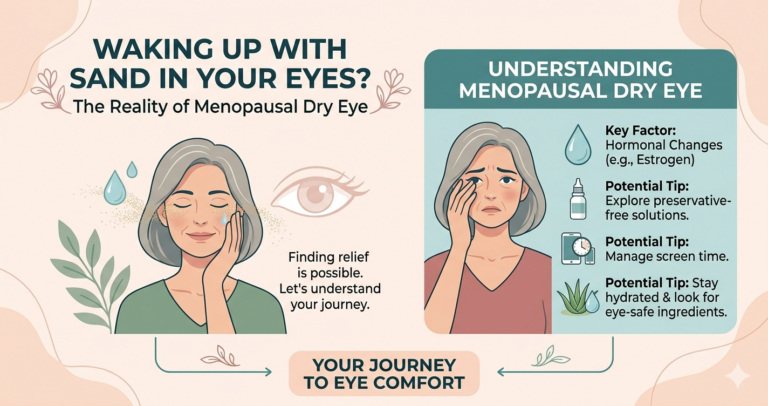


Postmenopausal Dry Eye Relief: Effective Strategies for Women Over 50
Chronic pain can be an overwhelming experience, particularly for women over 40. As we age, our bodies go through numerous changes, and for many, chronic pain becomes a daily struggle. This article aims to unpack the complexities of chronic pain, exploring its symptoms, hormonal causes, autoimmune connections, and offering natural remedies and nutritional support to help you regain control over your life.
Symptoms of Chronic Pain
Chronic pain manifesting in various forms can significantly affect daily life. Common symptoms include:
- Persistent pain lasting longer than three months
- Stiffness in the joints and muscles
- Fatigue or tiredness that doesn’t improve with rest
- Emotional distress, including anxiety or depression
- Difficulty sleeping or staying asleep
- Headaches or migraines
If any of these symptoms resonate with you, it’s essential to seek support and understanding on your journey through chronic pain.
Hormonal Causes
Hormonal changes play a critical role in the experience of chronic pain for women over 40. Fluctuations in estrogen and progesterone can lead to:
- Joint pain and stiffness
- Increased sensitivity to pain
- Muscle cramps and spasms
- Worsening of pre-existing conditions, such as fibromyalgia
Paying attention to your hormonal health is key. Consider tracking your menstrual cycle and discussing any significant changes with your healthcare provider. Personalized hormone testing may offer insights into how hormonal fluctuations contribute to your chronic pain.
Autoimmune Connection
For some women, chronic pain may be linked to autoimmune disorders, which are more common as we age. Conditions such as rheumatoid arthritis, lupus, and multiple sclerosis can result in:
- Joint inflammation and pain
- Fatigue and weakness
- Increased risk of other health complications
If you suspect an autoimmune condition is contributing to your pain, it’s important to undergo appropriate testing. Early diagnosis can lead to more effective management and treatment options.
Natural Remedies
Finding relief through natural remedies can provide a holistic approach to managing chronic pain. Consider the following:
- Mindfulness and meditation: These practices can help alleviate stress, which often exacerbates pain. Regular mindfulness sessions can create a deeper connection between your mind and body.
- Gentle exercise: Activities such as yoga, swimming, and walking can improve flexibility and reduce stiffness without straining your body.
- Aromatherapy: Essential oils like lavender and peppermint can help reduce tension and promote relaxation. Incorporate them into your baths or use them in a diffuser.
- Acupuncture: This traditional Chinese medicine technique has been shown to alleviate various types of pain through the stimulation of specific body points.
Nutrition Support
Your diet significantly impacts how your body manages pain. Emphasizing anti-inflammatory foods can help mitigate chronic pain symptoms. Consider including:
- Fatty Fish: Rich in omega-3 fatty acids, fish such as salmon and sardines can reduce inflammation.
- Leafy Greens: Vegetables like spinach and kale are packed with antioxidants that can help combat inflammation.
- Nuts and Seeds: Walnuts, flaxseeds, and chia seeds are excellent sources of healthy fats and can support overall joint health.
- Fruits: Berries, cherries, and oranges provide essential vitamins and antioxidants.
- Whole Grains: Oats, brown rice, and quinoa can provide sustained energy without causing inflammation.
Consider talking to a nutritionist who can help you create a balanced diet tailored to your specific health needs.
Frequently Asked Questions
What should I do if I experience sudden, severe pain?
If you experience sudden, severe pain, it’s important to seek medical attention immediately to rule out any serious conditions.
How can I differentiate between regular pain and chronic pain?
Chronic pain is typically defined as pain persisting longer than three months and can significantly impact your daily life. If you suspect your pain is chronic, consulting with a healthcare provider is advisable.
Are there exercises specifically recommended for women over 40 dealing with chronic pain?
Low-impact exercises such as swimming, cycling, and yoga are generally recommended. Always consult with a healthcare professional before starting a new exercise routine.
Conclusion
Dealing with chronic pain can be an isolating and exhausting experience, especially for women over 40. However, understanding the potential hormonal and autoimmune connections can lead to effective management strategies. Implementing natural remedies and supportive nutrition can empower you to take charge of your health. Remember, you’re not alone on this journey; support and resources are available to help you navigate the complexities of chronic pain.
Disclaimer: This article is for informational purposes only and is not intended to replace professional medical advice. Always consult with a healthcare provider for any health-related concerns.