

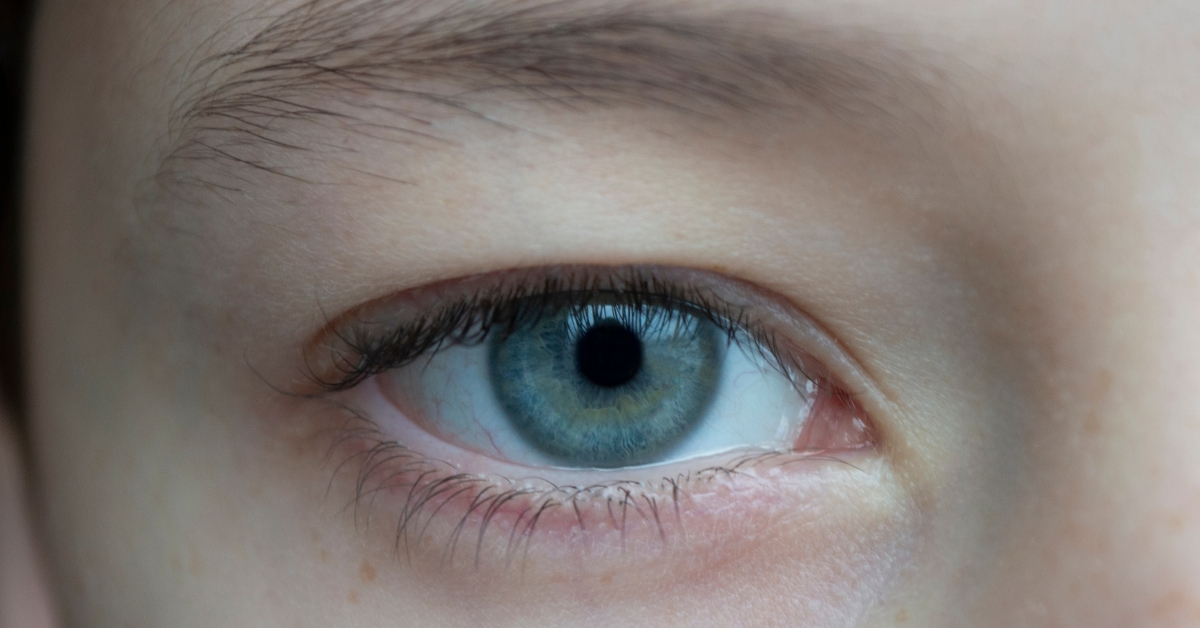
Lupus Eye Complications: What Your Blurry Vision Might Be Signaling
Introduction
Achieving balance can feel like a distant dream for many women over 40, especially when it comes to fluctuating hormones and changing health conditions. This period of life, often filled with transformations, can lead to a myriad of symptoms that may leave you feeling less like yourself. Understanding how these changes affect your body is the first step towards regaining that balance. In this article, we’ll explore the symptoms, hormonal causes, autoimmune connections, and natural remedies available to help support women navigating this significant phase of life.
Symptoms
Many women in their 40s experience a range of symptoms that can indicate an imbalance. Recognizing these signs is crucial to addressing underlying issues. Common symptoms include:
- Hot flashes and night sweats
- Irregular periods
- Mood swings and irritability
- Weight gain or changes in metabolism
- Fatigue and sleep disturbances
- Thinning hair or changes in skin elasticity
- Memory lapses or difficulty concentrating
While these symptoms can be troublesome, they are also a natural part of life’s journey. Acknowledging them can empower you to take action towards relief.
Hormonal Causes
One of the main culprits behind these changes is hormonal fluctuations. As women approach their 40s, estrogen and progesterone levels can wane, leading to various physical and emotional responses. Here are some key hormonal transitions:
- Perimenopause: This transitional period before menopause can start in your 40s, leading to irregular cycles and various symptoms.
- Estrogen Dominance: A decline in progesterone combined with normal levels or excess estrogen may contribute to mood changes and other symptoms.
- Thyroid Function: Thyroid imbalances are common and can also influence weight gain, fatigue, and mood swings.
Awareness of hormonal changes is vital for women over 40, as these fluctuations can significantly influence overall health and well-being.
Autoimmune Connection
Autoimmune diseases often emerge or become more pronounced during mid-life. Conditions such as Hashimoto’s thyroiditis, lupus, or rheumatoid arthritis can complicate the hormonal landscape and exacerbate symptoms. Women are at a higher risk for autoimmune disorders, and being aware of signs is essential:
- Chronic fatigue
- Joint pain and swelling
- Skin changes or rashes
- Digestive issues
If you suspect an autoimmune issue, seeking medical advice is vital. Early diagnosis and intervention can make a significant difference in managing symptoms effectively.
Natural Remedies
For those seeking a holistic approach to managing symptoms, natural remedies can be beneficial. Here are several strategies that may help reclaim your vitality:
- Herbal Supplements: Herbs like black cohosh, red clover, and evening primrose oil have been traditionally used to alleviate symptoms associated with hormonal changes.
- Mindfulness Practices: Techniques such as yoga and meditation can reduce stress and improve emotional well-being.
- Aromatherapy: Essential oils like lavender and chamomile can promote relaxation and may help with sleep disturbances.
- Acupuncture: Some women report relief from symptoms through acupuncture, which can help restore balance in the body.
It’s always wise to consult with a healthcare provider before starting any new treatment regimen to ensure it aligns with your personal health needs.
Nutrition Support
Nutrition plays a vital role in supporting health during this transformative period. Being mindful of what you eat can help manage symptoms and promote overall well-being:
- Incorporate Whole Foods: Focus on a diet rich in whole grains, fruits, and vegetables to provide necessary nutrients.
- Healthy Fats: Foods high in omega-3 fatty acids, such as salmon, walnuts, and flaxseeds, can help reduce inflammation.
- Limit Sugar and Processed Foods: These can contribute to weight gain and exacerbate mood swings and energy fluctuations.
- Stay Hydrated: Drinking adequate water is essential for overall health, especially as hormonal changes can impact hydration levels.
Consider working with a nutritionist who specializes in women’s health to create a tailored plan that suits your needs.
FAQ
Q: What is the best way to manage menopausal symptoms?
A: Management varies by individual but integrating lifestyle changes such as exercise, nutrition, and stress management techniques can greatly help.
Q: Are supplements necessary during this stage of life?
A: While not everyone needs supplements, some may find them helpful. Consult your healthcare provider to assess your individual needs.
Q: How do I know if I have an autoimmune disorder?
A: If you’re experiencing chronic symptoms that affect your quality of life, seeing a healthcare professional for testing and evaluation is recommended.
Conclusion
Embracing the changes that come with being a woman over 40 can be challenging, but understanding your body and its needs is empowering. By recognizing symptoms, identifying hormonal causes, and exploring natural remedies and nutritional support, you can take control of your health journey. Remember, you are not alone in this experience. Many women share similar struggles and triumphs on this path. Don’t hesitate to reach out for support, whether from friends, family, or healthcare professionals. Prioritize your health so you can thrive in this vibrant stage of life.
Medical Disclaimer: This article is for informational purposes only and is not a substitute for professional medical advice. Always consult a healthcare professional regarding any health concerns or before starting any new treatments.