

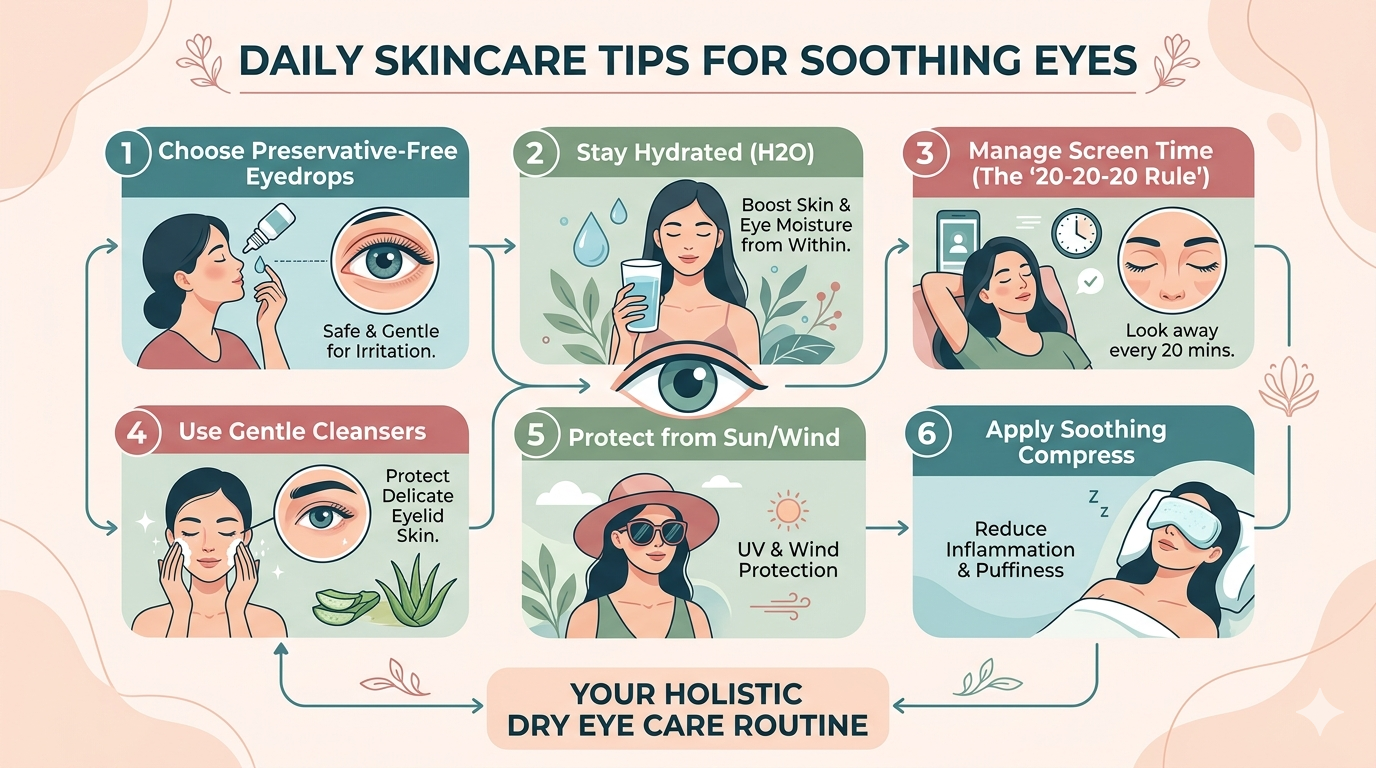
Skincare Tips for Dry Eye Sufferers: What to Avoid
Understanding Autoimmune Disorders: Symptoms, Causes, and Natural Remedies for Women Over 40
As we gracefully transition into our 40s and beyond, many women begin to notice changes in their health. One area that can be particularly challenging is the existence of autoimmune disorders. These conditions, where the immune system mistakenly attacks the body’s healthy cells, can manifest in various ways, often leaving us feeling overwhelmed and lost. This article aims to empower you with knowledge about symptoms, underlying causes, and natural remedies to help navigate this complex health journey.
Symptoms
Recognizing the symptoms of autoimmune disorders is the first step toward addressing them effectively. Many symptoms can easily be attributed to the aging process, but understanding the nuances can be beneficial:
- Fatigue: A pervasive feeling of tiredness that doesn’t improve with rest.
- Joint pain: Stiffness and pain, especially in the morning.
- Skin issues: Rashes, changes in skin texture, or unexplained itchiness.
- Digestive problems: Bloating, gas, or changes in bowel habits.
- Weight fluctuations: Unexplained weight gain or loss.
- Brain fog: Difficulty concentrating or remembering things.
- Temperature sensitivity: Increased sensitivity to heat or cold.
While these symptoms may seem general, their cumulative presence could indicate an autoimmune disorder, especially in women over 40.
Hormonal Causes
Hormones play a crucial role in our overall health and can significantly impact the autoimmune response. As we age, hormonal changes, particularly during perimenopause and menopause, can make women more susceptible to autoimmune disorders.
Estrogen has been known to influence immune system activity. Decreased estrogen levels can lead to immune dysregulation, potentially triggering autoimmune conditions. Additionally, chronic stress, often seen in women juggling various responsibilities, can further destabilize hormonal balance, exacerbating symptoms.
Autoimmune Connection
It’s vital to understand that certain autoimmune disorders are more prevalent among women, particularly those over 40. For example, diseases like lupus, rheumatoid arthritis, and Hashimoto’s thyroiditis predominantly affect women. This discrepancy is attributed to both genetic and hormonal factors.
The connection between autoimmune disorders and genetics cannot be overlooked. Family history can increase your risk, so understanding your family’s health history can prove insightful. Furthermore, environmental factors, such as exposure to certain chemicals or infections, can also play a role in the onset of these conditions.
Natural Remedies
While medical treatments are important for managing autoimmune disorders, many women find relief through natural remedies. Here are a few that might help alleviate symptoms:
- Herbal supplements: Herbs like turmeric and ginger possess anti-inflammatory properties that may benefit those suffering from autoimmune issues.
- Probiotics: These can help support gut health, which is crucial since gut health impacts immunity.
- Mindfulness and stress reduction: Practices like yoga, meditation, or deep breathing can help manage stress levels, thus supporting overall hormone balance.
- Essential oils: Oils such as lavender or frankincense can be soothing and may help reduce inflammation when used topically or in aromatherapy.
With any natural remedy, it’s essential to consult your healthcare provider to ensure they align with your specific health needs.
Nutrition Support
The old adage “you are what you eat” rings especially true when dealing with autoimmune disorders. A nutritious, balanced diet can significantly impact inflammation levels and overall wellness. Consider including:
- Omega-3 fatty acids: Found in fish like salmon and flaxseeds, these can help reduce inflammation.
- Antioxidant-rich foods: Berries, leafy greens, and nuts support immune health through their high antioxidant content.
- Avoiding processed foods: Reducing sugar and refined carbs can help decrease inflammation and promote healing.
- Hydration: Drink plenty of water and herbal teas to keep your body hydrated and functioning optimally.
Incorporating these dietary choices may not only help manage symptoms but also contribute to a greater sense of well-being.
FAQ
Can lifestyle changes help with autoimmune symptoms?
Absolutely! Regular exercise, a balanced diet, and stress management techniques can greatly improve your quality of life and help manage symptoms.
Are autoimmune disorders curable?
Currently, there is no cure for autoimmune disorders; however, they can be managed effectively with the right treatment and lifestyle adjustments.
What should I do if I suspect I have an autoimmune disorder?
It’s essential to consult a healthcare provider for accurate diagnosis and tailored treatment options.
Conclusion
Understanding autoimmune disorders, especially for women over 40, is crucial for gaining control over our health. With proper knowledge of symptoms, hormonal influences, and practical lifestyle changes, you can significantly affect your well-being. Remember, you are not alone in this journey. Armed with both compassion and information, you can navigate the complexities of autoimmune disorders and emerge empowered.
Always consult with healthcare professionals before making significant changes to your health regimen. This article is for informational purposes only and does not constitute medical advice.